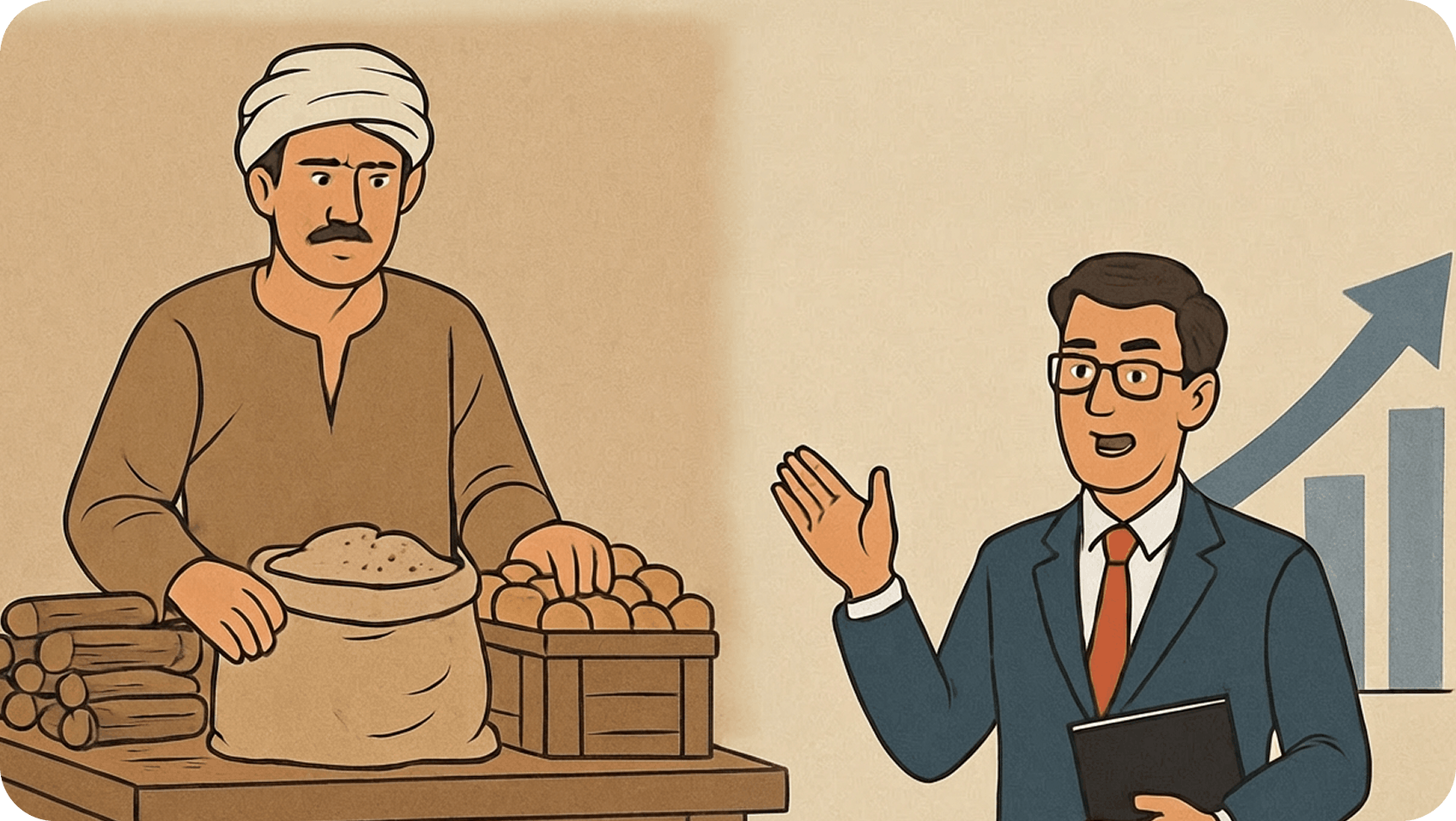
Digital transformation in Egypt’s wholesale trade is no longer just a buzzword or a passing trend; it has become a tangible reality in the market. Every supermarket owner and food distributor can clearly see its impact. In the past, operations relied heavily on sales reps, phone calls, and personal relationships. Today, faster and more efficient tools have taken over, most notably mobile applications, significantly reshaping how business is done.
This shift isn’t just about placing orders from your phone. It goes far beyond that. We’re talking about a completely new way of managing operations, one that offers better organization, higher accuracy, and real-time visibility over every aspect of the business. In a highly competitive market, even small delays or errors can be costly. That’s why understanding and adopting this transformation is essential for any trader aiming to grow and stay competitive.
What Does Digital Transformation in Wholesale Mean?
Simply put, digital transformation in wholesale trade is the shift from traditional methods to technology-driven operations, particularly through mobile applications. Instead of relying on calls or waiting for a sales representative, retailers now have full control over their operations anytime, anywhere.
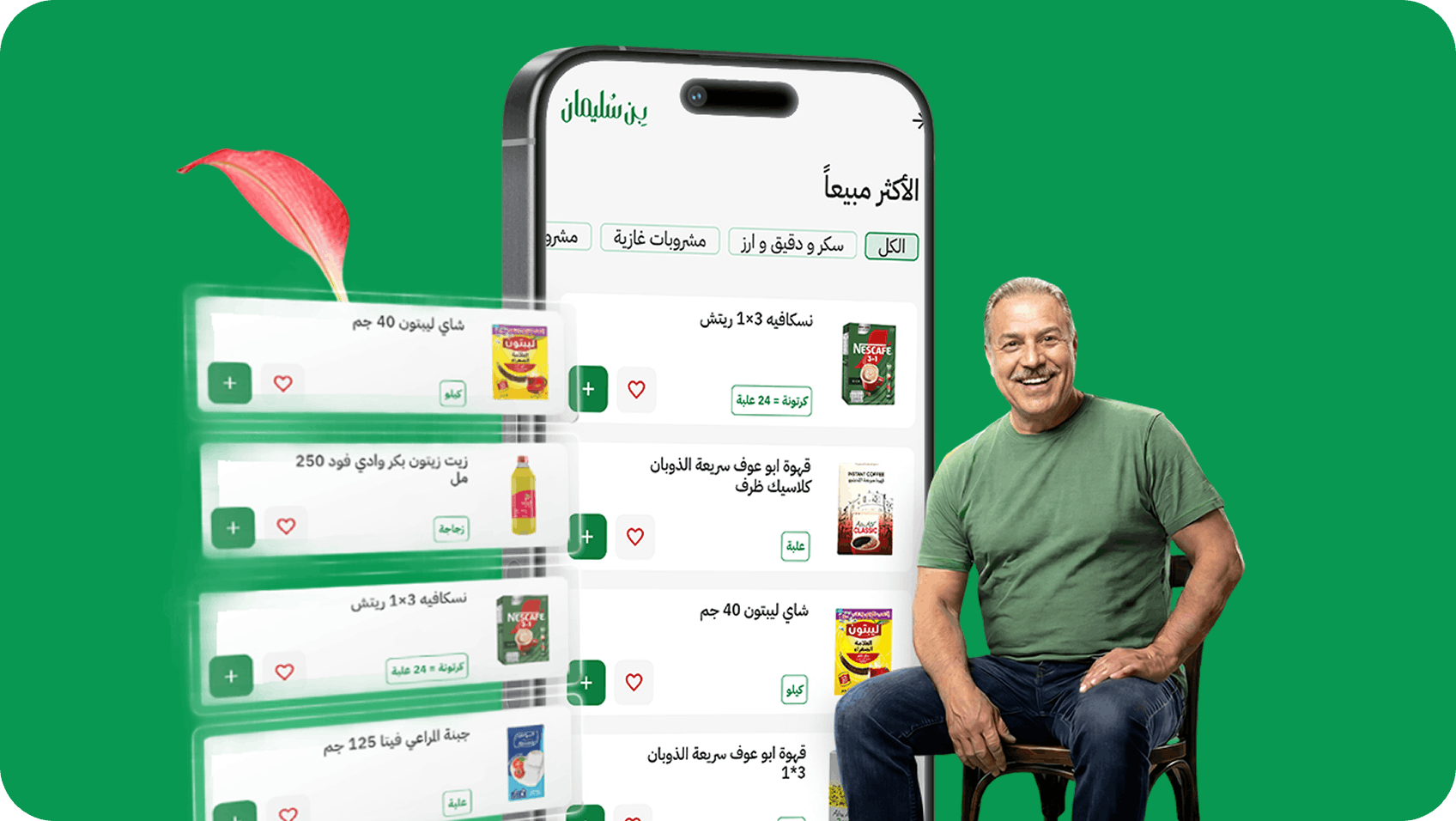
A retailer can place orders, track them, and manage accounts directly from their phone while standing in their store.
This transformation is clearly reflected in several ways:
Ordering through mobile apps:
Instead of waiting for a response, retailers can open the app, select the food products they need, and confirm orders within minutes.
Real-time price and offer tracking:
Prices change frequently, and apps provide instant, transparent updates without the need for back-and-forth communication.
Better order organization:
Everything is recorded and visible, eliminating the confusion and mistakes that used to happen with manual processes.
The key point here is that digital transformation is no longer optional; it has become a fundamental tool for running a structured and efficient business.
Why Have Wholesale Apps Become So Popular Among Retailers?
If you look around the market today, you’ll notice that most retailers rely on mobile phones in one way or another. This widespread adoption is not accidental—it’s driven by increasing operational pressure and evolving market dynamics.
Retailers now need to move faster, make quicker decisions, and have greater control over their business. Mobile apps provide exactly that.
Here are the main reasons behind their rapid adoption:
Faster ordering and delivery:
Waiting is no longer an option. Retailers need speed, and apps make it possible.
Wide variety of products:
Managing a large number of SKUs the traditional way has become inefficient, while apps bring everything together in one place.
Reduced errors:
Orders are now clearly documented, minimizing the mistakes that were common before.
A shift in retailer mindset:
Retailers increasingly recognize that technology saves time, reduces effort, and improves overall efficiency.
That’s why the rise of these apps isn’t just a trend, it’s a practical response to real challenges in the market.
How Do Mobile Apps Help Supermarket Owners in Their Daily Operations?
Anyone managing a supermarket knows how hectic the day can be, juggling customers, finances, and inventory all at once. Having a tool that helps organize these tasks makes a significant difference.
Mobile apps have effectively become a constant assistant.
Here’s how they add value:
Saving time and effort:
Instead of spending time on calls or waiting, orders can be completed in minutes.
Smoother inventory management:
When stock runs low, retailers can reorder immediately—before it becomes a problem.
Easy price comparison:
Retailers can quickly check prices and make informed decisions, helping improve profit margins.
Reduced daily pressure:
When operations are more organized, stress decreases, allowing retailers to focus more on sales.
In this context, mobile apps are no longer a luxury; they are an integral part of the business itself.