Why Understanding Retailer Psychology Is Now the Key to Winning in Distribution
The Egyptian wholesale and retail market has changed and so has the retailer.
This shift isn’t just about tools or technology. It’s about mindset. The way retailers think, decide, and operate today is completely different from a few years ago. What used to be a relationship-driven, experience-based business has now become faster, more data-driven, and far more demanding.
And this change has created a new reality for food distribution companies:
Selling products is no longer enough. Understanding the retailer is what truly drives success.
Because when you understand the retailer, you’re not just improving your sales—you’re unlocking the behavior of the entire market.
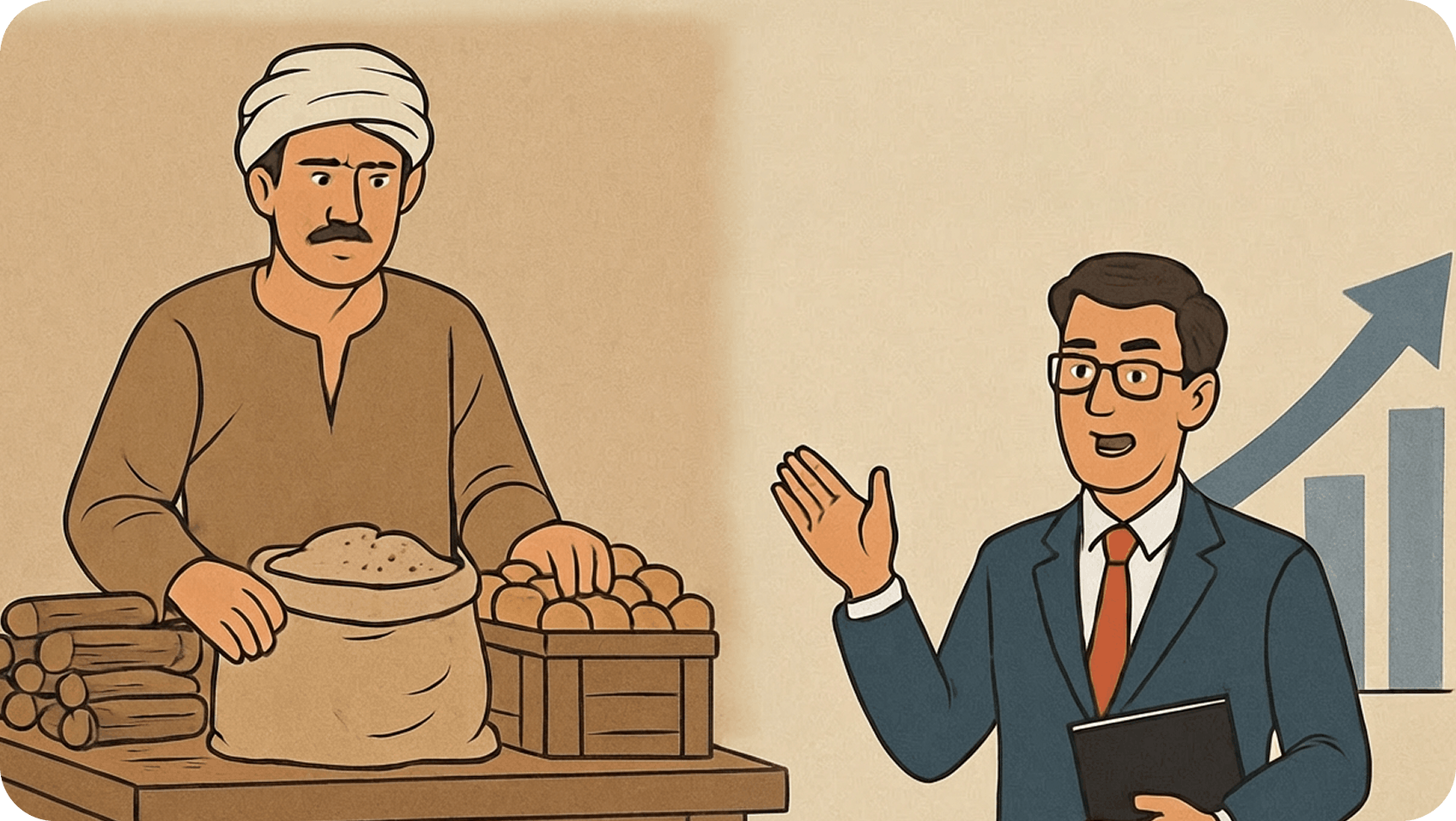
From Traditional Retailer to Modern Retailer: What Changed?
A few years ago, most retailers followed a predictable pattern. They worked with the same suppliers, used the same ordering methods, and served a relatively stable customer base. The pace was slower, and competition was manageable.
Today, that model no longer exists.
The modern retailer operates in a high-pressure, fast-moving environment—and that has reshaped how they behave:
Faster decisions, less patience
Retailers can’t afford to wait. Delays mean lost sales.
Constant comparison between suppliers
Price, delivery speed, service quality—it’s all being evaluated.
More attention to operational details
It’s no longer just about cost. Convenience, reliability, and flexibility matter just as much.
Stronger focus on the end customer
With more competition, retailers are more aware of customer expectations than ever.
Today’s retailer isn’t just a seller.
They’re running a small business with real pressure, real risks, and real targets.
Why Retailer Psychology Matters More Than Ever
In the past, distribution companies focused on one thing: product availability.
Today, that’s just the baseline.
Retailers have options. They choose who to work with based on how easy, reliable, and supportive the experience is. This is where understanding retailer psychology becomes a competitive advantage.
It’s about knowing what’s happening behind the counter not just what’s being ordered.
What actually drives retailer behavior?
Fear of running out of stock
A missing product can mean losing a loyal customer instantly.
Daily operational stress
Managing inventory, customers, cash flow—it’s constant pressure.
Need for fast-moving products and steady profit
Cash flow matters. Slow stock is a problem.
Desire for reliable, low-risk suppliers
Retailers prefer consistency over uncertainty.
When distribution companies understand these drivers, they stop “selling products” and start solving real problems.
The Retailer Is the Closest Point to the Customer
If you want to understand the end consumer, don’t start with reports start with the retailer.
Retailers are the most accurate, real-time source of market insight:
They see what sells every day
They hear customer feedback directly
They notice shifts in demand immediately
That makes them more than just buyers; they’re market indicators.
So when you support the retailer properly, you’re not just improving their business.
You’re improving the entire customer experience downstream.
The New Role of Distribution Companies
Today, distribution companies are expected to do more than deliver products.
They are part of the retailer’s operational system.
The companies that are winning in the market are the ones that:
Offer consistent product availability and variety
So retailers can meet different customer needs
Provide fast, reliable delivery
Because time directly affects sales
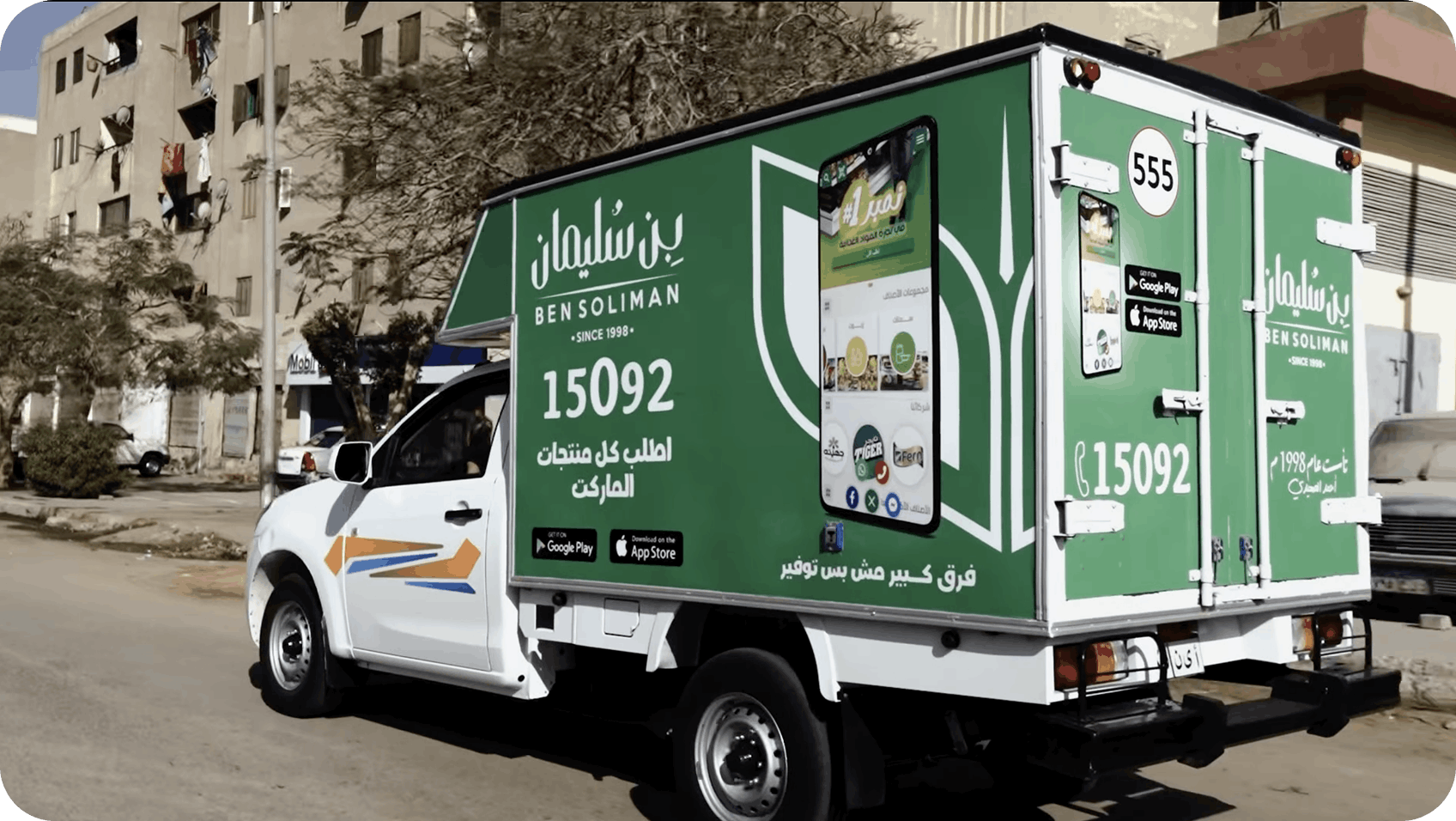
Simplify ordering (especially through mobile apps)
Reducing friction in daily operations
Create relevant offers and pricing structures
That actually helps retailers increase margins
Stay flexible
Because no two retailers operate the same way
At this level, the relationship stops being transactional.
From Supplier to Partner: What Really Changed?
The biggest shift isn’t operational, it’s relational.
Retailers today don’t just need suppliers.
They need partners who:
- Help them grow
- Understand their day-to-day challenges
- Make their work easier, not more complicated
This is why the strongest relationships in today’s market are built on:
Trust
Consistency
Responsiveness
Long-term thinking
And once that relationship is built, switching suppliers becomes much less likely.
Final Thought: Understand the Retailer, Win the Market
The Egyptian market is evolving fast, and the retailer sits at the center of this transformation.
Distribution companies that still operate with a “sell and move on” mindset are falling behind. The ones that are growing are those that invest in understanding how retailers think, what they need, and what pressures they face daily.
Because in the end, it’s not just about products.
It’s about building a system where the distributor and the retailer succeed together.
And the companies that get this right don’t just win customers, they win the market.